On this page
- Do you need impact windows in Florida for a new Sarasota home?
- What does the Florida Building Code ask of windows and doors?
- How do impact windows and impact doors compare with hurricane shutters?
- Impact windows and impact doors
- Hurricane shutters
- What about impact sliding glass doors and the lanai?
- How do you choose for your own home?
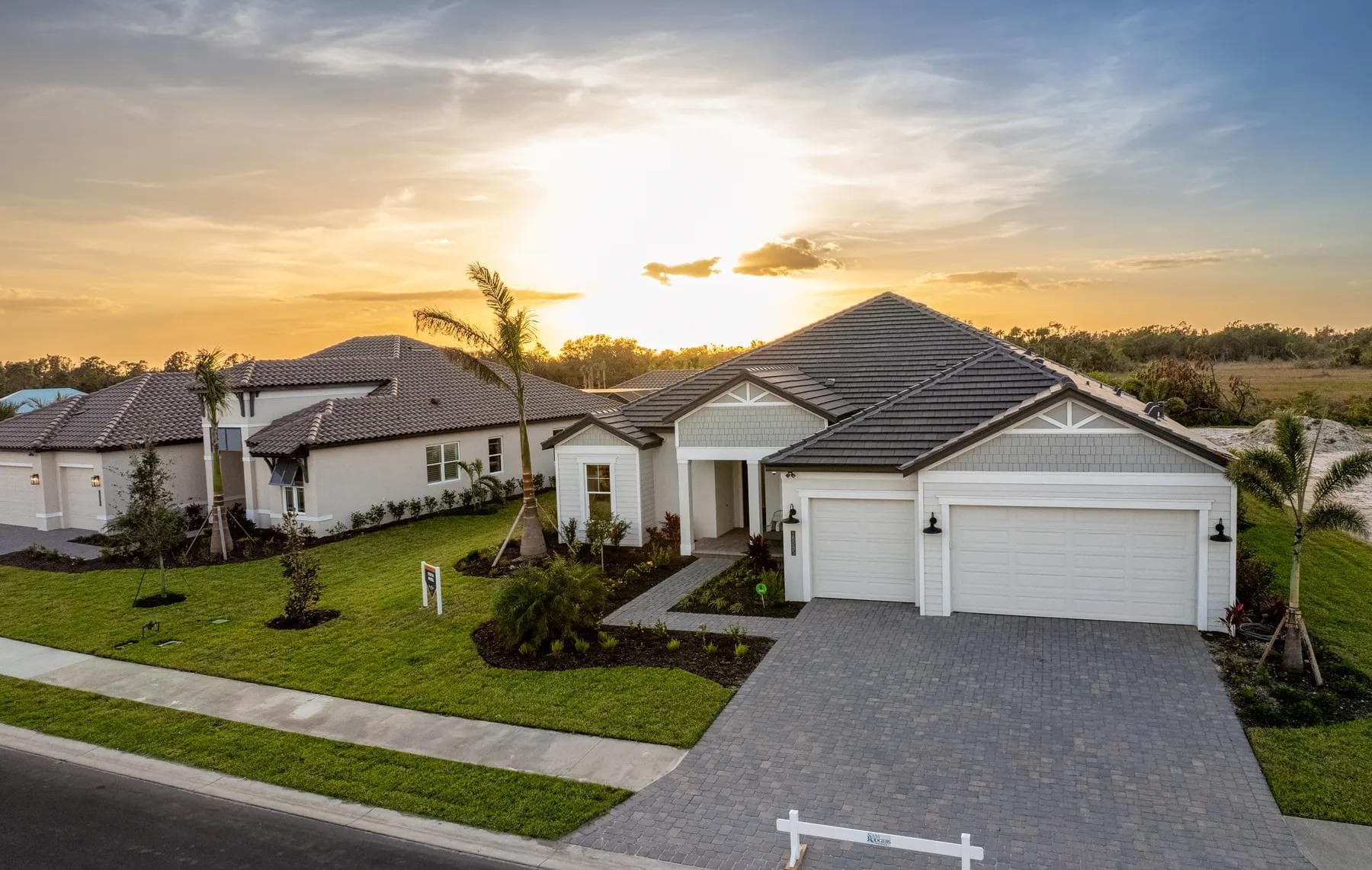
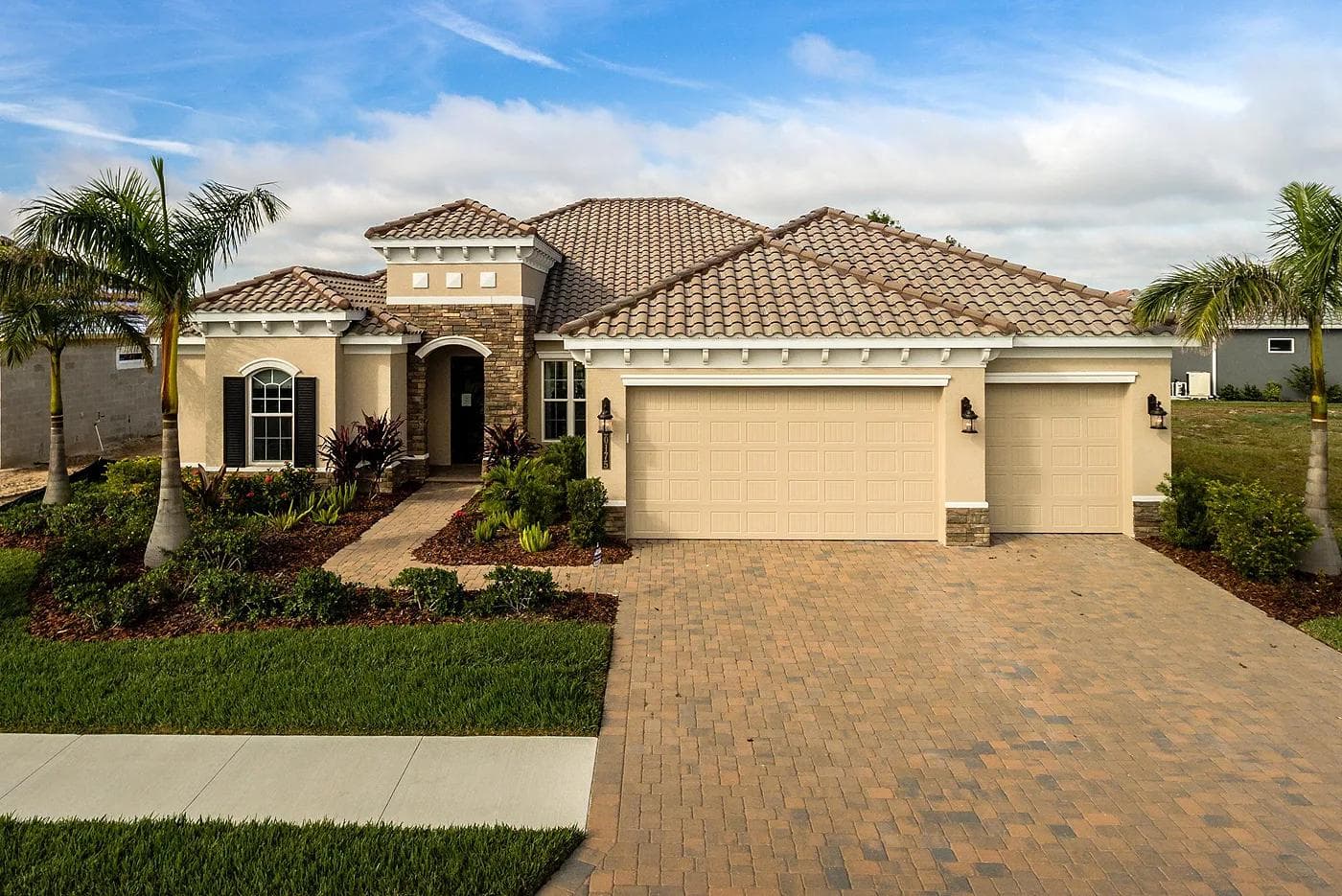
For a new Sarasota home, you have two ways to meet Florida code: impact windows and doors, or hurricane shutters over standard glass. Both can satisfy the code. Which one suits you depends on how you live, how you feel about storm prep, and what your plans call for.
Impact windows in Florida are built to take the hit from wind-borne debris and stay in the frame, so they protect the opening all the time. Shutters protect it only when they are closed. Here is how the two compare, and what to ask before you choose.
Do you need impact windows in Florida for a new Sarasota home?
In most of coastal Florida, you need some form of opening protection. You do not necessarily need impact glass. The Florida Building Code treats windows, glass doors, and skylights as parts of the home's protective envelope. Once a strong wind breaks one, pressure builds inside the house and the roof and walls take on loads they were never meant to carry.
That is why the code focuses on openings. Much of the Gulf Coast sits in what the code calls the wind-borne debris region. In that region, glazed openings must either be impact-rated or be covered by approved protection, such as shutters. Which rule applies to a specific lot comes down to the local building department and the approved plans, so treat this article as a guide and not a ruling on your address.
The strictest rules in the state apply in the High-Velocity Hurricane Zone, which covers South Florida. Sarasota is outside it, but the same basic idea holds here: protect the openings, and use products with proper approval.
What does the Florida Building Code ask of windows and doors?
The code does not say which product you must buy. It asks that the product be tested and approved for the wind conditions where it will be installed. In practical terms, that means a few things:
- Impact-rated products must pass testing that includes a missile impact followed by repeated pressure cycles, simulating debris and the swings of a storm.
- Shutters and other protection must also be approved for use in Florida and installed to the manufacturer's requirements.
- Design pressure ratings must match what the opening will face. A large opening, like a wide sliding door, is held to a rating suited to its size and location.
- Garage doors count as openings too. They are often the largest opening on the front of the house, so they need to be wind-rated.
- Installation matters. An approved product only performs as tested when it is anchored into the structure the way the approval says.
A window screen or a lanai cage does not count as protection. The screen enclosure on your lanai is there for bugs and shade, and it is not designed to stop debris.
When you review plans, ask for the product approval information on each window and door. Your builder should be able to show you what is specified and why.
How do impact windows and impact doors compare with hurricane shutters?
Each choice has real strengths. Here is the honest comparison.
Impact windows and impact doors
Impact glass is laminated: a tough layer sits between two panes, so the glass may crack but stays bonded in the frame. Because the protection is built in, there is nothing to hang, close, or store.
What owners often like:
- Protection is always in place, whether you are home, traveling, or away for the summer.
- Nothing to deploy when a storm is coming. That is a real comfort if you travel or are not at home when a watch is issued.
- Clean exteriors. No tracks, panels, or clips on the face of the house.
- Impact glass can also help with outside noise, and it adds a layer of security, since it is harder to break through than ordinary glass.
The tradeoff is that impact windows and impact doors are usually a larger line item at the start than shutters. We will not guess at numbers here, since they depend on the size, number, and style of openings. The team can walk you through it for your plan.
Hurricane shutters
Hurricane shutters cover standard windows and doors only when needed. Common types include roll-down shutters, panel shutters, and accordion shutters.
Accordion shutters are permanently mounted on tracks beside the opening. When a storm approaches, you unfold them across the glass and lock them in place. They are quicker to deploy than loose panels, and nobody has to find storage space for them.
What owners often like:
- A lower upfront cost than impact glass in many cases.
- Flexibility: close them for a storm, open them the rest of the year.
- A familiar, proven approach in Florida.
The tradeoffs are the effort and timing. Someone has to close every shutter, every time, before the storm. If you are traveling, that someone needs to be a neighbor, a property manager, or a service. Closed shutters also darken the house, which matters if you are in the house for days.
What about impact sliding glass doors and the lanai?
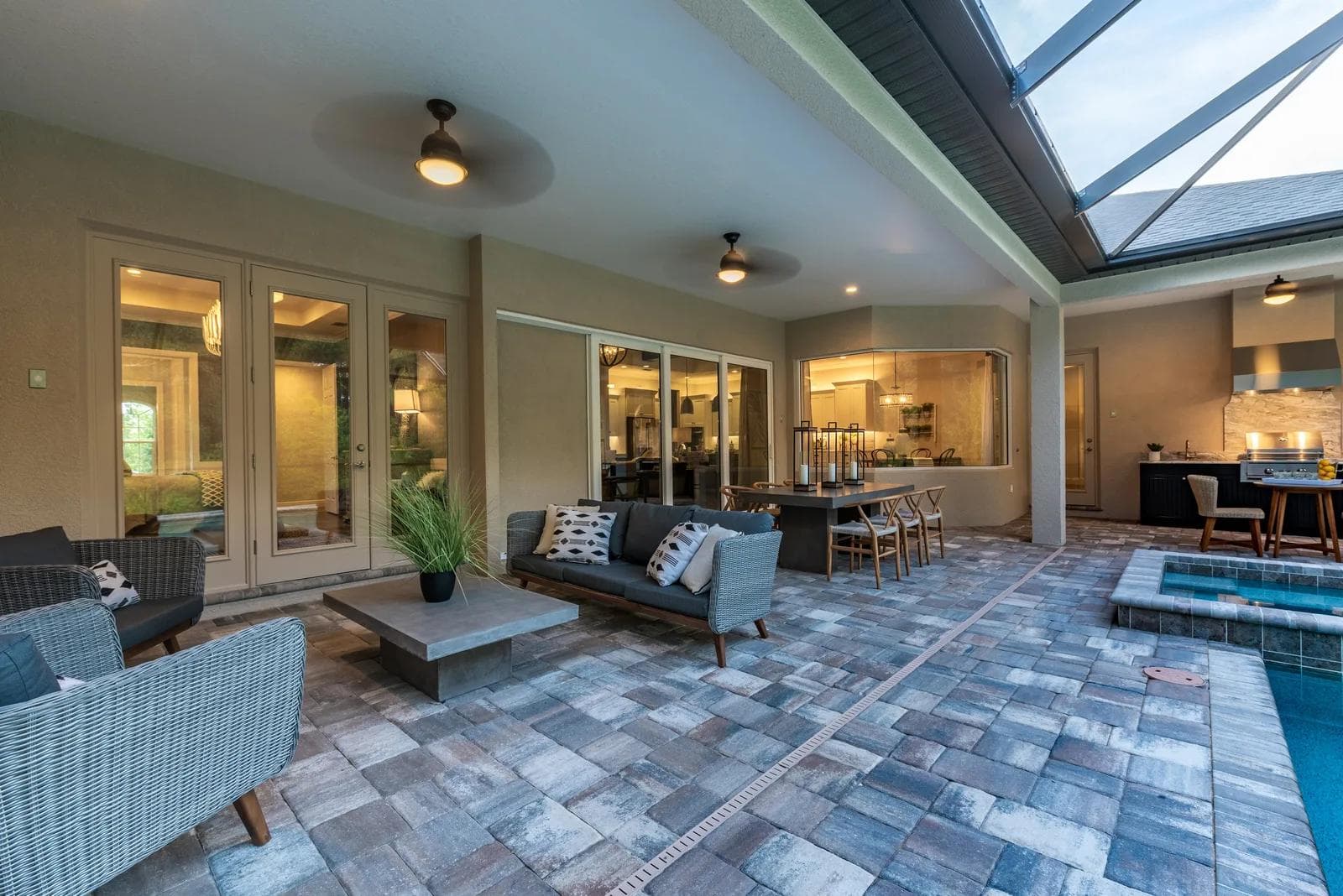
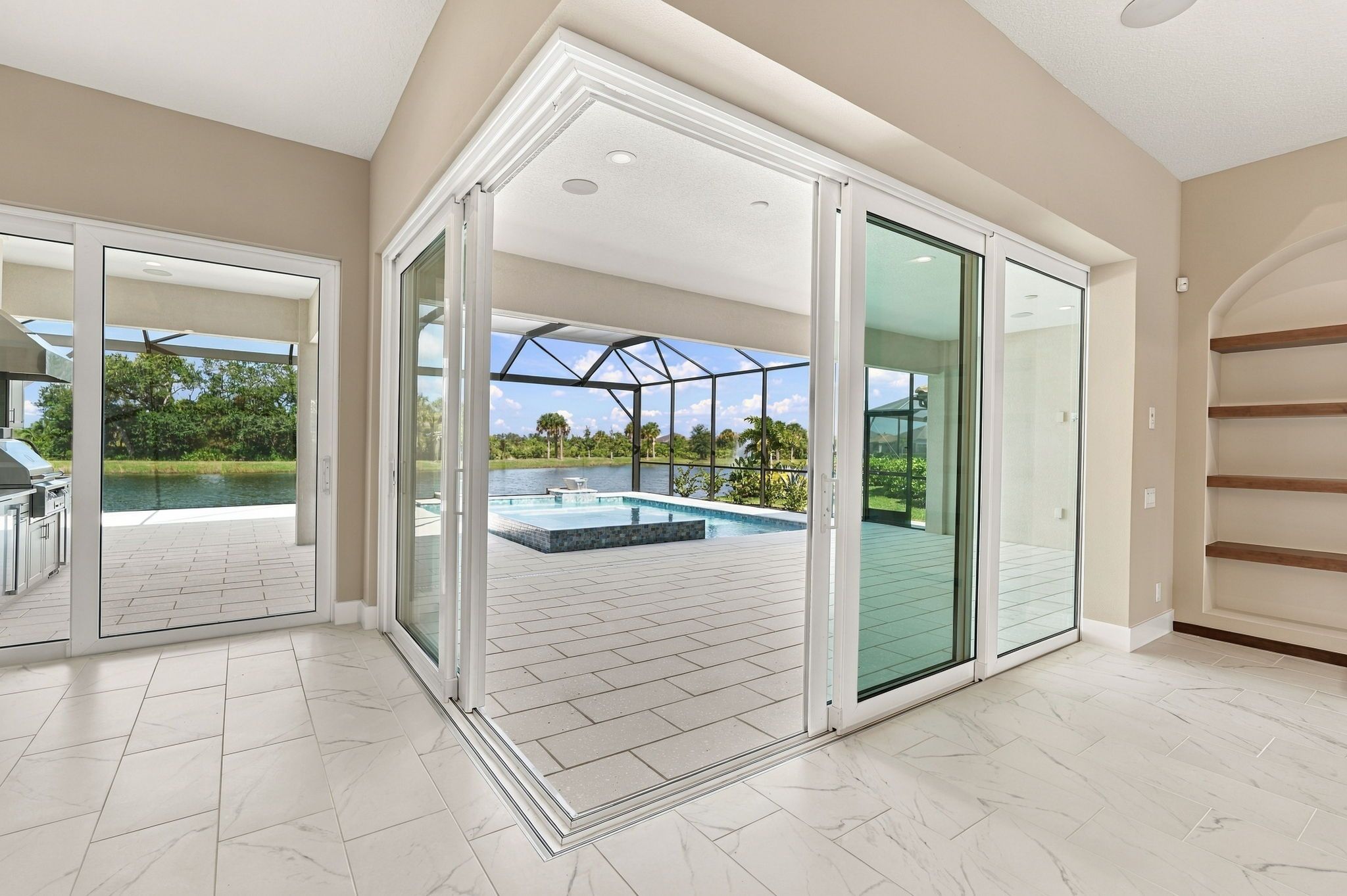
This is the question that comes up most in Gulf Coast design. Sarasota homes are built to open to the outdoors, with big sliders onto the lanai, the pool, or a pond view. Those wide openings are often the largest areas of glass in the home.
Impact sliding glass doors are made for exactly this. They are tested as complete assemblies, with the glass, frame, and hardware working together. A wide opening needs a design pressure rating suited to its size, and the frame has to be anchored correctly.
A few things to think through for the lanai side of the house:
- Sight lines. Impact frames are typically a bit heavier than standard frames, so look at samples in person to judge how they feel.
- Shutter options for big openings. Accordion shutters can span a wide slider, but check how they will stack and where they will sit when open.
- Outdoor living. If your lanai will hold cooking or seating areas, decide early how storm protection fits with the design. Our piece on designing the lanai covers how Florida homes actually use that space.
How do you choose for your own home?
Start with how you live, then work toward the product.
- How often are you away? If you spend summers up north or travel often, protection that is always on is hard to beat. If you are home most of the year and comfortable with storm prep, shutters are a reasonable path.
- How much glass is in the plan? Large sliders and tall windows raise the stakes on both cost and design pressure. Look at the opening sizes before you decide.
- How do you feel about the look? Some owners prefer clean exteriors. Others do not mind tracks on the wall.
- Ask your insurance agent. Opening protection is a standard part of wind mitigation reviews, and it can affect your home insurance. Your agent can explain what applies to your policy.
- Mix and match, with care. Some homeowners use impact glass in the main living areas and shutters elsewhere. That can work as long as every opening is protected with approved products.
Season helps frame the decision. Atlantic hurricane season runs from June 1 to November 30, and a storm watch gives you limited time to act. A system that works without a scramble has real appeal. Equally, a system you can deploy with confidence is a good one.
Because every Sam Rodgers home starts from a floor plan and is then tailored to the buyer, this is a decision to make early, alongside your other selections. See what makes a home custom for what you can change, and visit the Design Studio to look at window and door selections in person. The Sarasota page shows where we build.
If you are planning a new home and want to talk through impact windows, impact doors, or hurricane shutters for your floor plan, we are glad to sit down with you. Talk to our team and we will go through the options together.